

Understanding the difference between single-phase and three-phase rental generators is essential for contractors, industrial operations managers, and facility maintenance supervisors in the UAE. Selecting the incorrect phase configuration can result in equipment damage, dangerous phase imbalances, or the complete inability to start heavy electric motors. Knowing how voltage, winding configurations, and current delivery differ ensures you choose the optimal power source for your job site.
Fundamental Electrical Principles: Single-Phase vs. Three-Phase
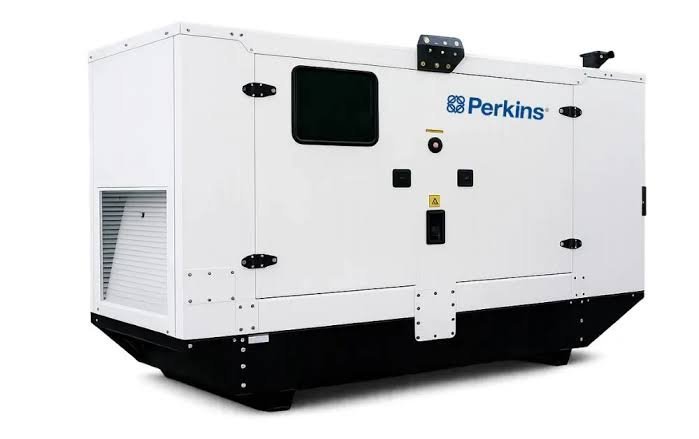
The difference between these two electrical generation methods stems from alternating current (AC) wave geometry and stator winding configurations:
1. Single-Phase AC Power (230 Volts in the UAE)
Single-phase generators produce a single alternating sine wave of AC voltage, alternating 50 times per second (50 Hz). In the UAE, single-phase power is delivered across two conductors: one live phase conductor (230V) and one neutral conductor. Because AC sine wave power drops to zero voltage twice every cycle, single-phase power is inherently non-constant, creating mild microscopic torque pulsations in large rotating machines.
- Ideal For: Small domestic tools, office laptops, 230V single-split AC units, small site lighting towers, and domestic water dispensers.
- Capacity Limits: Generally restricted to smaller portable generators ranging from 3 kVA to 20 kVA. Above 20 kVA, transmitting single-phase current requires impractically thick, heavy copper cabling.
2. Three-Phase AC Power (400 Volts / 230 Volts in the UAE)
Three-phase generators utilize three separate stator winding coils physically offset by 120 electrical degrees around the rotor. This creates three distinct sinusoidal voltage waveforms delivering power across four conductors (L1, L2, L3, and Neutral):
- Phase-to-Neutral Voltage (\(V_{ph}\)): 230 Volts (between any single live line and Neutral).
- Phase-to-Phase Voltage (\(V_L\)): 400 Volts (between any two live lines: \(V_L = \sqrt{3} \times V_{ph} \approx 1.732 \times 230\text{V} = 400\text{V}\)).
- Constant Power Delivery: The total instantaneous power of three balanced phases remains perfectly constant over time. This creates a rotating magnetic field in electric motors that starts them smoothly without auxiliary capacitors.
Detailed Technical Comparison Matrix
| Specification | Single-Phase Generator | Three-Phase Generator |
|---|---|---|
| Standard Voltage in UAE | 230V AC (Phase to Neutral) | 400V AC (Line-to-Line) / 230V AC (Line-to-Neutral) |
| Number of Conductors | 2 Wires (1 Hot, 1 Neutral) + Earth | 4 Wires (3 Phase Lines, 1 Neutral) + Earth |
| Power Transmission Efficiency | Lower efficiency, higher conductor \(I^2R\) line losses | High efficiency; requires 25% less conductor copper for same power |
| Typical Capacity Range | 3 kVA to 20 kVA | 20 kVA to 2,500+ kVA |
| Industrial Motor Starting | Poor; requires starter caps, high inrush drop | Exceptional; inherent self-starting rotating magnetic field |
| Phase Balancing Need | None (single circuit) | Mandatory (phase loads must remain within 15% to 20% balance) |
The Critical Importance of Phase Balancing on 3-Phase Generators

When running a three-phase generator to power multiple single-phase 230V site offices or cabins, you must balance the load evenly across all three legs (L1, L2, L3). If a contractor loads 80% of site office air conditioners onto Phase 1 while Phase 2 and 3 carry only 10% load, the resulting unbalanced neutral current creates severe stator winding overheating, causes voltage distortion, and will trigger alternator reverse-current or over-temperature protection shutdowns.
Can a Three-Phase Generator Run Single-Phase Loads?
Yes. By tapping between any of the three line terminals (L1, L2, or L3) and the central Neutral terminal, you extract 230V single-phase power. Most industrial 3-phase generators provide integrated single-phase convenience socket outlets (16A and 32A CEE-form) alongside high-capacity 400V busbar terminals.
Select the Ideal Phase Configuration for Your Site
Rental Power UAE maintains a vast inventory of single-phase portable units and heavy-duty three-phase industrial generators across Dubai, Abu Dhabi, and Sharjah. Explore our popular capacities including the versatile 50 kVA generator, mid-range 250 kVA generator, or review our comprehensive generator rental in UAE solutions.
Complete Site Accommodation and Support
Complement your temporary power with our modular site facilities:
- Thermally insulated portacabins for sale in UAE.
- Reinforced used shipping containers in UAE for site workshops.
- Towable used caravans in UAE for dynamic infrastructure teams.
Frequently Asked Questions
Can I power a 400V three-phase motor with a single-phase generator?
No. A single-phase 230V generator cannot power a 400V 3-phase motor without expensive and inefficient rotary phase converters or specialized VFDs.
What is the maximum allowed phase imbalance on a rental generator?
We recommend maintaining current balance across all three phases within 15% to 20% to avoid premature alternator insulation breakdown and harmonic overheating.
Do 3-phase generators require special earthing on UAE sites?
Yes. UAE electrical regulations mandate that 3-phase rental generators must have their neutral point solidly bonded to a clean earth rod achieving less than 5 Ohms resistance to earth.
Consult Our Electrical Engineers
Ensure your site machinery operates with flawless phase matching and balanced voltage. Contact Rental Power UAE or call +971 56 921 3754 for technical sizing assistance today.


