The Intricate Discipline of Hydrocarbon Logistics
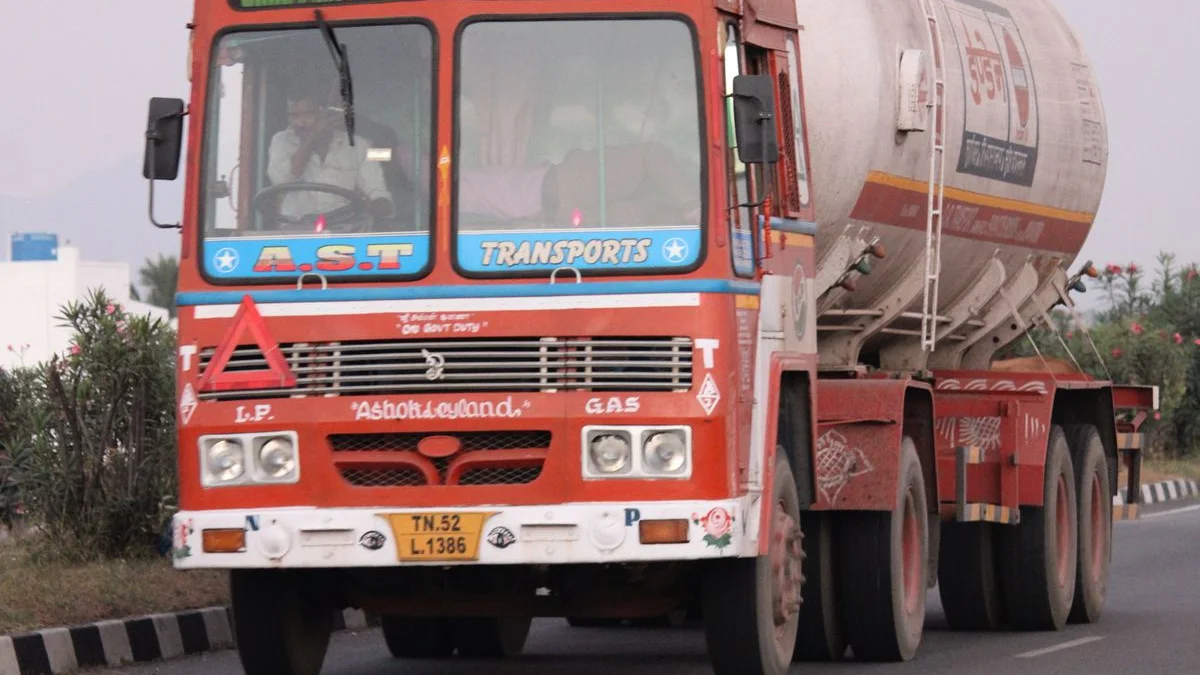
Transporting hazardous liquid petroleum fuels across municipal highways, congested urban corridors, and remote desert terrain is one of the most strictly regulated logistical operations in the world. Commercial diesel fuel—classified internationally as a Class 3 Flammable Liquid (UN 1202)—requires specialized vehicular engineering, advanced telemetry, and rigorous operator certifications to ensure cargo integrity and public safety.
This technical guide examines the regulatory standards, fleet engineering, and route planning disciplines that govern professional fuel distribution across the United Arab Emirates.
Fleet Engineering: Anatomy of a Dangerous Goods Road Tanker
Commercial fuel tankers operating in the UAE are engineered to rigorous international ADR and NFPA hazardous material transport standards:
| Safety Engineering Component | Technical Specification | Safety Function |
|---|---|---|
| Internal Compartment Baffles | High-tensile aluminum or steel transverse baffles | Dampens liquid surge during braking and cornering, preventing vehicle rollover. |
| Pneumatic Foot Valves | Emergency internal shear valves inside each compartment | Seals automatically if external discharge piping is damaged during a collision. |
| Vapor Recovery System | Closed-loop vapor balance manifold | Captures combustible hydrocarbon vapors during loading and returns them to terminal storage. |
| Weights & Measures Calibrated Meter | Digital electronic meter with Automatic Temperature Compensation | Standardizes billable fuel volume to 15°C reference temperature, preventing thermal volume disputes. |
Regulatory Oversight and Highway Corridors in the UAE
Navigating the UAE road network requires compliance with multiple government authorities:
- Civil Defence Transport Approvals: Every delivery tanker undergoes annual hydrostatic pressure testing, spark arrestor inspection, and emergency shut-off verification.
- RTA & ITC Hazardous Material Permits: Delivery tankers must follow designated dangerous goods highway corridors (such as E11, E311, and E611) and adhere to peak-hour urban truck restrictions.
- Driver Hazmat Certification: Tanker operators complete comprehensive dangerous goods training covering static grounding, spill containment, rollover mitigation, and emergency fire suppression.
Experience world-class fuel transport standards with our certified UAE fuel logistics fleet, and power your site operations with our advanced rental generator systems.