How to Buy the Right Portacabin in UAE
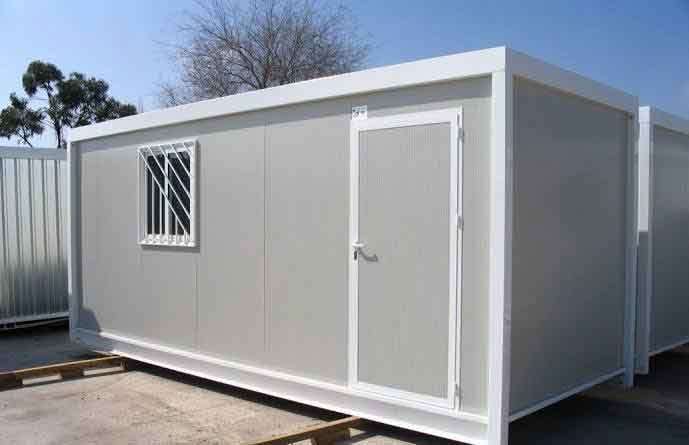
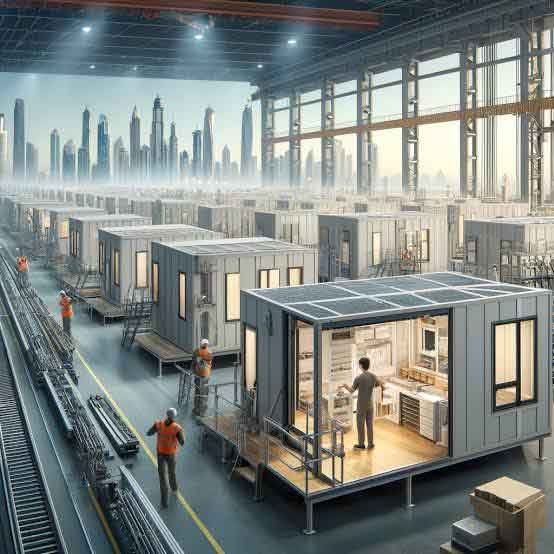
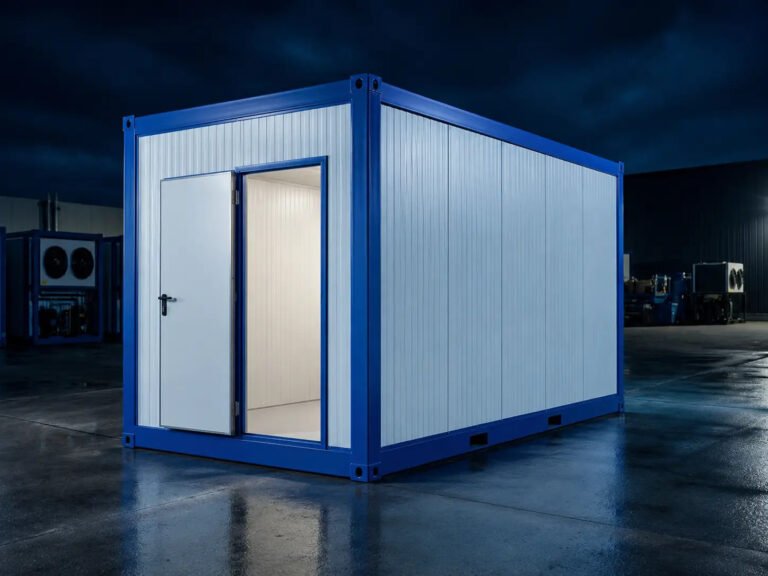
Portacabins have become a practical solution for businesses, construction companies, industrial facilities, project sites, security operations, and temporary offices across the UAE. They can provide usable accommodation and workspace without the time and construction requirements associated with a conventional building.
However, buying the right portacabin in UAE requires more than comparing prices. The cabin needs to suit its intended purpose, site conditions, required layout, climate, safety requirements, and applicable local approvals. A low purchase price can become expensive if the unit requires extensive refurbishment, unsuitable modifications, difficult transportation, or additional compliance work.
This guide explains the main factors to evaluate before purchasing a portacabin in the UAE.
1. Define How You Will Use the Portacabin
The first step is to determine exactly what the portacabin will be used for.
Different applications require different specifications. A basic site office may need desks, lighting, electrical outlets, air conditioning, and windows. A worker facility may require washrooms, showers, kitchen areas, or other services. A security cabin may need a smaller footprint, visibility windows, and a suitable location near an entrance.
Common portacabin applications in the UAE include:
- Construction site offices
- Project management offices
- Security cabins
- Staff offices
- Sales offices
- Accommodation facilities where permitted
- Storage and utility spaces
- Reception areas
- Temporary commercial facilities
- Industrial site offices
The intended use should be established before choosing dimensions or interior specifications because changing the structure later can increase the overall cost.
Dubai’s planning regulations specifically recognise temporary uses such as temporary offices at construction projects and temporary security rooms, while the applicable conditions depend on the location and use.
2. Choose the Correct Size and Layout
Size is one of the most important decisions when buying a portacabin.
A cabin that is too small can become uncomfortable and difficult to use, while an unnecessarily large unit increases transportation, installation, space, and purchase costs.
Consider:
- Number of people using the cabin
- Number of rooms required
- Desk and furniture arrangement
- Storage requirements
- Door and window positions
- Washroom requirements
- Kitchen or pantry requirements
- Equipment that must be installed
- Available space at the destination
For an office, think about the complete floor plan rather than simply looking at the external dimensions. A well-designed layout can make a smaller cabin more practical than a larger cabin with poor internal planning.
3. Check the Construction and Structural Quality
Never purchase a portacabin based only on photographs or a supplier’s description.
Inspect the construction carefully. Pay attention to:
- Structural steel frame
- Floor condition
- Roof condition
- Wall panels
- Ceiling
- Doors and windows
- Flooring
- Joints and connections
- Signs of corrosion
- Water damage
- Previous modifications
- General workmanship
For used or refurbished portacabins, inspection becomes even more important. Look for rust, damaged panels, leaking roofs, weakened flooring, deteriorated insulation, damaged electrical systems, and poorly executed alterations.
Dubai’s building requirements state that structures and their components must meet standards intended to ensure durability and safety against relevant loads and forces.
A reputable supplier should be able to provide technical specifications and, where applicable, structural documentation for the unit.
4. Evaluate Insulation for the UAE Climate
The UAE’s hot climate makes insulation an important consideration.
A portacabin with inadequate thermal insulation can place a greater cooling burden on the air-conditioning system and make the interior less comfortable during hot weather.
When evaluating a unit, ask about:
- Wall insulation
- Roof insulation
- Ceiling insulation
- Floor insulation
- Insulated doors
- Window type and glazing
- Sealing around doors and windows
- Air-conditioning capacity
Do not assume that two cabins with similar external dimensions have the same thermal performance. Panel construction and insulation materials can differ considerably.
For an air-conditioned office or facility that will be occupied for long periods, investing in better thermal performance can make more sense than selecting the cheapest available cabin.
5. Check Fire Safety Requirements
Fire safety should be treated as a buying requirement rather than an optional upgrade.
The exact requirements depend on the emirate, location, building type, occupancy, and intended use. Therefore, buyers should confirm the applicable requirements with the relevant authority or project consultant before purchasing.
For example, PCFC guidance for temporary use of portacabins and containers requires documentation including the site plan, drainage drawings, fire-protection arrangements, and detailed drawings/specifications. Its stated construction-material requirement for the relevant temporary-use approval is a minimum 30-minute fire rating.
The UAE Fire and Life Safety Code also addresses modular offices and other special structures.
Before buying, ask the supplier for information about:
- Fire-rated wall and ceiling materials
- Fire-rated doors where required
- Electrical safety
- Emergency exits
- Fire detection equipment
- Fire extinguishers
- Fire alarm requirements
- Relevant certification or test documentation
Do not assume that a portacabin approved for one application or location will automatically satisfy requirements at another site.
6. Consider Air Conditioning and Electrical Systems
In the UAE, air conditioning is often essential for an occupied portacabin.
Check whether the cabin is supplied with:
- Split AC units
- Electrical distribution board
- Lighting
- Power sockets
- Internal wiring
- External electrical connection
- Emergency lighting where required
- Data/network provisions
- Suitable earthing arrangements
The AC capacity should correspond to the cabin’s size, insulation, occupancy, equipment, windows, and site conditions.
For a used cabin, test the existing electrical and air-conditioning systems rather than assuming they are operational.
It may be more economical to purchase a cabin at a lower initial price and replace outdated equipment, but those refurbishment costs should be calculated before making the purchase decision.
7. Understand New, Used and Refurbished Options
Buyers in the UAE generally have several options, including new, used, and refurbished portacabins.
New Portacabins
A new cabin can offer:
- Fresh construction
- Greater customization
- New electrical and HVAC equipment
- Modern finishes
- Less immediate refurbishment work
The disadvantage is generally a higher initial purchase cost.
Used Portacabins
Used cabins can provide a lower-cost route, especially when the structure is still in good condition.
However, inspect:
- Frame
- Roof
- Floor
- Insulation
- Electrical system
- AC system
- Plumbing
- Doors and windows
- Previous repairs
Refurbished Portacabins
A refurbished unit can provide a balance between cost and condition. Depending on the supplier and refurbishment scope, work may include repainting, flooring replacement, electrical repairs, panel repairs, AC servicing, plumbing work, and interior improvements.
The important point is to establish exactly what has been refurbished rather than relying on the word “refurbished” alone.
8. Verify Permits and Site Requirements
One of the most commonly overlooked issues when purchasing a portacabin is whether the intended installation is permitted at the selected location.
Requirements can vary between emirates, municipalities, free zones, industrial areas, and individual developments.
For example, Dubai Development Authority provides a Temporary Construction Permit service and requires relevant documents such as stamped design drawings and applicable NOCs. It also provides a Site Office Allocation service for construction-site office use.
Ras Al Khaimah also has a temporary building permit process with specific conditions. Its government guidance states, for example, that temporary buildings in commercial plots are allowed for office use and that the permit is valid for one year.
This demonstrates why buyers should not treat UAE portacabin regulations as identical everywhere.
Before paying for a unit, confirm:
- Whether the proposed use is permitted.
- Whether a temporary building or site-office permit is required.
- Whether an NOC is needed.
- Whether drawings must be submitted.
- Whether fire-safety approval is required.
- Whether the property owner or master developer has additional requirements.
9. Plan Transportation, Crane Access and Installation
Buying the cabin is only part of the project.
A large portacabin must be transported to the site and positioned correctly. Before purchasing, check whether the delivery route can accommodate the unit.
Consider:
- Transport vehicle access
- Road restrictions
- Site entrance width
- Overhead obstructions
- Ground conditions
- Crane access
- Lifting requirements
- Final positioning
- Utility connections
The supplier should explain whether transportation and positioning are included in the quoted price.
A cabin that appears inexpensive can become considerably more expensive if the site requires special transport arrangements or additional lifting equipment.
10. Compare the Total Cost, Not Just the Purchase Price
The cheapest portacabin is not necessarily the most economical option.
Calculate the total cost of ownership and installation, including:
- Purchase price
- Transportation
- Crane or lifting
- Installation
- Electrical connection
- Plumbing
- AC installation or replacement
- Interior modifications
- Fire-safety equipment
- Permit-related costs
- Site preparation
- Maintenance
- Future relocation
For example, a cheaper used cabin may require a new roof, AC units, electrical work, flooring, and repainting. Once these costs are added, a better-condition refurbished or new unit may provide greater value.
Ask suppliers to provide a detailed quotation so that different options can be compared on the same basis.
What Documents Should You Ask the Seller For?
Before purchasing, request relevant documentation for the specific unit and intended application.
Depending on the project, this may include:
- Technical specifications
- Dimensions
- Structural information
- Material specifications
- Fire-rating documentation
- Electrical specifications
- HVAC specifications
- Previous inspection or maintenance records
- Modification history
- Warranty information
- Delivery terms
- Installation scope
For projects subject to formal approval, technical drawings and other documentation may be required. PCFC’s temporary portacabin approval guidance, for example, specifically calls for detailed drawings/specifications and construction-material information.
Questions to Ask Before Buying a Portacabin
Before signing the purchase agreement, ask the supplier:
Is the portacabin new, used, or refurbished?
What is the exact external and internal size?
What materials are used for the frame, walls, roof and floor?
What type and thickness of insulation is installed?
Is the cabin fire-rated, and can you provide supporting documentation?
What electrical equipment is included?
What AC system is installed?
Does the price include transportation?
Does the price include crane lifting and positioning?
Can the cabin be modified to meet our requirements?
What warranty is provided?
What maintenance or after-sales support is available?
Are drawings and technical documents available for approval purposes?
These questions help prevent unexpected costs after the purchase.
Common Mistakes to Avoid
Choosing Only on Price
A low price may hide repair, transportation, installation, or compliance costs.
Ignoring the Site
A cabin must physically and legally fit the intended location.
Buying Without Inspection
This is particularly risky for used portacabins.
Overlooking Insulation
Poor thermal performance can increase dependence on air conditioning.
Assuming One Approval Works Everywhere
Requirements can vary by emirate, authority, free zone, and development.
Forgetting Transportation Costs
The purchase price may not include delivery, crane lifting, or positioning.
Making Unapproved Modifications
Structural or other modifications may require approval depending on the location and project.
New vs Used vs Refurbished: Which Should You Buy?
There is no single answer for every buyer.
Choose a new portacabin when you need maximum customization, new components, a particular specification, or a long expected service period.
Choose a used portacabin when purchase budget is a major consideration and you can verify that the structure and systems remain suitable.
Choose a refurbished portacabin when you want a balance between initial cost, appearance, functionality, and condition.
The right choice depends on the application’s technical requirements and the total cost after delivery and installation, not simply the advertised selling price.
Final Checklist for Buying a Portacabin in UAE
Before completing your purchase, confirm:
Intended use is clearly defined
Correct size and layout selected
Structural condition inspected
Roof and floor checked
Insulation assessed
Doors and windows inspected
Electrical system checked
AC system checked
Fire-safety requirements confirmed
Local permit requirements verified
Site access confirmed
Transportation cost calculated
Crane/lifting requirements confirmed
Installation scope agreed
Warranty terms reviewed
Technical documents obtained
Total project cost compared
Conclusion
Buying the right portacabin in UAE requires a combination of technical evaluation, site planning, safety checks, regulatory verification, and cost analysis. The ideal cabin is not necessarily the newest or cheapest unit; it is the one that matches your intended use, site conditions, required specifications, budget, and applicable authority requirements.
For construction sites, offices, industrial facilities, security applications, or other temporary uses, take time to compare the cabin’s structure, insulation, fire safety, electrical systems, transportation requirements, documentation, and total installed cost.
Most importantly, confirm the requirements for your specific location before purchasing. Dubai, Abu Dhabi, Ras Al Khaimah, free zones, and individual developments can have different approval procedures and conditions. Government guidance confirms that temporary structures and site offices can be subject to permits, NOCs, drawings, and safety requirements.
A careful evaluation before purchase can help you avoid unexpected modification costs, approval problems, and unsuitable equipment-and make your portacabin investment more practical and cost-effective over its service life.