Portacabin Purchase in Dubai:Mistakes That Buyers Should Avoid
Buying a portacabin in Dubai can be a practical solution for companies that need additional office space, accommodation, security rooms, site facilities, classrooms, storage areas, or other modular spaces. Compared with conventional construction, prefabricated units can offer faster deployment and greater flexibility.
However, choosing the right portacabin is about more than comparing prices. The unit needs to suit its intended use, site conditions, technical requirements, and applicable Dubai regulations. A cheaper unit can become expensive if it requires major modifications, does not suit the site, or creates problems with approvals and installation.
Dubai’s regulatory framework includes requirements for building design, construction works, safety, and temporary structures. The Dubai Building Code establishes minimum requirements for health, safety, welfare, and building design, while Dubai Municipality and other competent authorities have specific procedures for permits and approvals.
Here are some of the most common mistakes buyers should avoid before purchasing a portacabin in Dubai.
1. Choosing the Lowest Price Without Checking What Is Included
Price is naturally one of the first things buyers compare, but the cheapest quotation is not always the most economical option.
Two portacabins may look similar in photographs while having very different specifications. One quotation may include flooring, electrical work, lighting, air conditioning, doors, windows, sanitary fittings, delivery and installation, while another may cover only the basic structure.
Before comparing prices, ask suppliers to provide a detailed specification and quotation. Check exactly what is included in the purchase price and which items are charged separately.
A proper comparison should consider the complete delivered and installed solution rather than just the cabin’s basic purchase price.
2. Buying a Portacabin Without Defining Its Purpose
A portacabin intended as a construction-site office does not necessarily need the same specification as one intended for staff accommodation, a classroom, a security room, a sales office, or a long-term commercial facility.
The intended use affects the layout, insulation, electrical requirements, ventilation, air conditioning, plumbing, sanitary facilities, doors, windows and internal finishes.
Dubai regulations specifically recognize temporary site offices and other temporary construction works, with requirements depending on the nature and location of the project.
Before contacting suppliers, clearly define how the unit will be used, how many people will occupy it, how long it is expected to remain on site and what facilities are required.
3. Ignoring the Site Before Ordering
Another common mistake is ordering a portacabin before checking whether the site can accommodate it.
Consider the available footprint, access roads, ground conditions, installation area, surrounding structures and clearance requirements. Delivery vehicles and lifting equipment may also need sufficient access to position the unit.
The location should be assessed before finalizing the dimensions and configuration.
For certain temporary construction applications, Dubai authorities may require drawings, approvals or other technical documents. For example, the Dubai Development Authority’s temporary construction permit process can require consultant-stamped design drawings, relevant NOCs, soil reports and structural calculations where applicable.
This is why a site assessment should happen before the purchase rather than after the unit has already been manufactured.
4. Assuming Every Portacabin Is Automatically Exempt From Permits
The word “temporary” does not mean that every portacabin can simply be installed without approval.
Dubai has specific rules concerning construction works and temporary construction works. The applicable requirements can depend on the location, use, development authority, free-zone jurisdiction and nature of the installation.
Dubai Municipality states that its building permit procedures are intended to ensure approved standards and specifications for building and structural safety.
If your portacabin is being installed as part of a construction project, commercial development or other regulated site, confirm the applicable approval requirements before purchasing.
Do not rely solely on a supplier saying that “no permit is required.” Ask which authority governs the site and whether the supplier can support the required documentation.
5. Overlooking Structural Quality
A portacabin is still a structure, and its frame and construction quality matter.
Ask about the structural frame, floor system, wall construction, roof assembly, connection details and materials. If the unit is intended for long-term use, the structural specification becomes even more important.
Dubai’s building regulations require structural designs to address relevant forces and loads and require buildings and structures and their materials to meet standards intended to ensure durability and safety.
Buyers should therefore avoid choosing a cabin based only on external appearance. Request technical specifications and, where relevant, structural calculations or certification.
6. Neglecting Insulation and Thermal Performance
Dubai’s climate makes thermal performance an important consideration.
A portacabin with inadequate insulation can place additional demand on its air-conditioning system and may be less comfortable during hot weather. The quality and thickness of insulation, wall construction, roof assembly, windows and doors can all influence the cabin’s thermal performance.
The Dubai Building Code includes requirements and calculations relating to building thermal performance, including U-value requirements.
When purchasing a portacabin for regular occupancy, ask the supplier about the insulation specification instead of simply asking whether the unit is “insulated.”
7. Forgetting About Air Conditioning Requirements
In Dubai, air conditioning is not something to consider after the portacabin arrives.
The size and type of air-conditioning system should suit the cabin’s dimensions, occupancy, insulation and intended use. A unit used by several employees throughout the day will have different cooling requirements from a small security room.
Check whether air conditioning is included in the quotation and confirm its capacity and installation requirements.
If air conditioning is excluded, obtain a separate quotation before calculating the actual project cost.
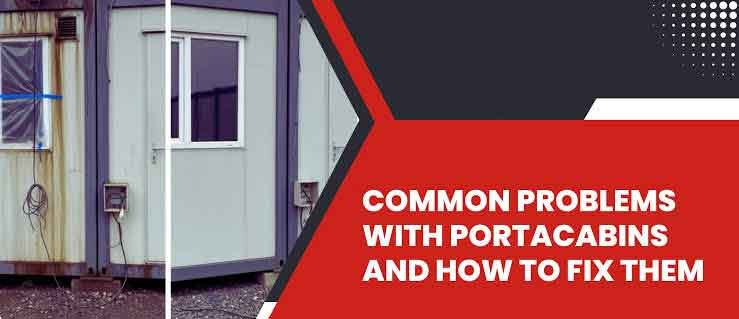
8. Buying a Used Portacabin Without Inspecting Its Condition
Used portacabins can be attractive because they may cost less than new units. However, buyers need to inspect their condition carefully.
Look for corrosion, water damage, damaged flooring, roof leaks, deteriorated insulation, faulty doors and windows, electrical problems, damaged plumbing and signs of previous modifications.
A cabin may look acceptable from the outside while requiring substantial refurbishment internally.
If purchasing used, request photographs, specifications and maintenance or refurbishment information where available. Ideally, inspect the unit physically before committing to the purchase.
9. Ignoring Electrical and Fire Safety
Electrical and fire safety should never be treated as optional extras.
Dubai’s regulatory framework places significant emphasis on preventive safety requirements. Dubai Civil Defence legislation includes obligations relating to fire-prevention systems, safety measures and compliance with prescribed preventive safety requirements.
The cabin should therefore be supplied with an appropriate electrical installation and safety provisions for its intended use.
For projects involving multiple portable buildings, additional fire-safety and emergency planning considerations may apply. Requirements can also differ depending on the project and authority responsible for the site.
Ask the supplier what fire and electrical provisions are included and what approvals or inspections are required before occupation.
10. Not Checking Doors, Windows and Emergency Access
Small details can make a significant difference to daily usability.
Check the number and position of doors and windows, door swing, emergency exits where applicable, access steps, handrails, ventilation and natural lighting.
The layout should allow occupants to enter and leave safely and comfortably.
Do not approve a floor plan simply because it looks good on paper. Think about how people will actually use the space, where furniture will be positioned and how movement will take place inside the cabin.
11. Forgetting Plumbing and Drainage Requirements
If the portacabin includes toilets, washrooms, kitchens or other water-consuming facilities, plumbing and drainage need to be considered before installation.
Confirm where water will enter the cabin, where wastewater will discharge, what sanitary fittings are included and how connections will be made at the site.
The site may require additional civil or utility work before the cabin can be commissioned.
These costs should be identified before purchase rather than appearing as unexpected expenses during installation.
12. Not Considering Delivery and Installation Costs
The purchase price is only one part of the total cost.
Depending on the unit’s size, location and design, transportation, unloading, lifting, positioning, foundations or supports, utility connections and installation may all affect the final budget.
A supplier should be able to explain how the cabin will be transported and positioned at your site.
Dubai’s construction framework also recognizes temporary construction works and places requirements around construction activities and competent contractors.
Before signing the purchase agreement, ask for the complete delivered-and-installed price where possible.
13. Choosing the Wrong Size
Buying a cabin that is too small can create an immediate space problem, while purchasing a much larger unit than necessary can increase transportation, installation and operating costs.
Start with the actual purpose of the space.
For an office, consider desks, chairs, storage, meeting space and the number of employees. For accommodation, consider occupancy and required facilities. For a security cabin, focus on visibility, access and equipment requirements.
If expansion is likely, discuss modular configurations with the supplier before making the purchase.
14. Not Planning for Future Changes
Business requirements can change.
A construction company may need additional offices as the workforce grows. A project site may require extra meeting rooms or storage. A business may later relocate its temporary facilities.
Before purchasing, consider whether the portacabin can be relocated, modified, connected to another unit or expanded.
Modular flexibility can be one of the major advantages of prefabricated construction, but it should be considered during the initial design rather than assumed afterward.
15. Failing to Verify the Supplier
The supplier is just as important as the cabin itself.
Before placing an order, check the supplier’s experience, previous projects, technical capabilities, product specifications and after-sales support.
Ask whether the company handles delivery and installation or uses third-party contractors. Also clarify who is responsible for defects, repairs, modifications and warranty claims.
For a substantial purchase, compare more than one supplier and ask each company to quote against the same specification. This makes it easier to identify genuine price differences instead of comparing different products.
16. Not Getting the Specification in Writing
Verbal promises can easily create confusion.
Your purchase agreement should clearly identify the cabin dimensions, layout, materials, insulation, flooring, doors, windows, electrical system, air conditioning, plumbing, sanitary fittings, internal finishes and included accessories.
It should also state delivery arrangements, installation responsibilities, warranty terms and payment conditions.
A detailed written specification protects both the buyer and supplier and gives you something concrete to use when comparing quotations.
17. Ignoring the Total Cost of Ownership
A portacabin’s purchase price does not tell you what it will cost to operate.
Consider air-conditioning electricity consumption, maintenance, repairs, cleaning, utility connections, modifications and possible relocation costs.
For long-term use, spending more initially on better construction, insulation or equipment may make financial sense if it reduces ongoing operating or maintenance costs.
The right decision should therefore be based on the total value of the cabin rather than the lowest initial quotation.
A Practical Portacabin Buying Checklist for Dubai
Before purchasing a portacabin, buyers should confirm:
Purpose: What will the cabin be used for?
Size: Is the internal space suitable for the expected number of occupants?
Layout: Does the floor plan support the actual workflow?
Construction: What materials and structural system are being used?
Insulation: Is the thermal specification suitable for Dubai’s climate?
Air conditioning: Is an appropriately sized system included?
Electrical: Does the installation meet the applicable requirements?
Fire safety: What safety equipment and approvals are required?
Plumbing: Are water and drainage connections included where required?
Site: Can the unit be delivered, positioned and connected safely?
Approvals: Which authority controls the site, and what permits or NOCs are required?
Delivery: Is transportation included?
Installation: Who handles positioning, assembly and connections?
Warranty: What is covered and for how long?
After-sales: Who will handle repairs or modifications?
Total cost: What will the complete project cost after delivery and installation?
Final Thoughts
Buying a portacabin in Dubai can be a practical way to create usable space without committing to conventional construction. But the best purchase is not necessarily the cheapest cabin or the largest available unit.
The most important step is to define your requirements before comparing suppliers. Understand the intended use, site conditions, dimensions, construction quality, insulation, electrical and fire-safety requirements, utilities, delivery arrangements and applicable approvals.
Dubai’s building and construction framework requires projects to meet applicable technical and safety requirements, and temporary construction works can also be subject to specific controls.
For that reason, buyers should involve the relevant authority, consultant or qualified professional where the project requires formal approval rather than assuming that a portacabin is automatically outside normal building requirements.
A good supplier should be willing to provide a clear technical specification, transparent quotation and practical guidance on delivery and installation. Taking the time to check these points before purchasing can help you avoid unexpected costs and choose a portacabin that actually works for your Dubai project.