How to Choose the Right Portacabin in UAE for Your Business
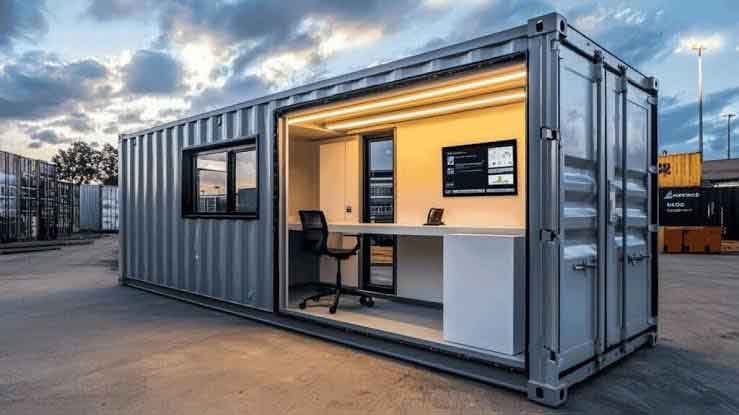
For businesses operating in the UAE, space requirements can change quickly. A construction company may need a temporary site office, an industrial business may require additional staff facilities, while a growing company may need extra office or storage space without committing to permanent construction. Portacabins offer a practical solution because they can be manufactured off-site, transported to the required location and configured for different commercial purposes.
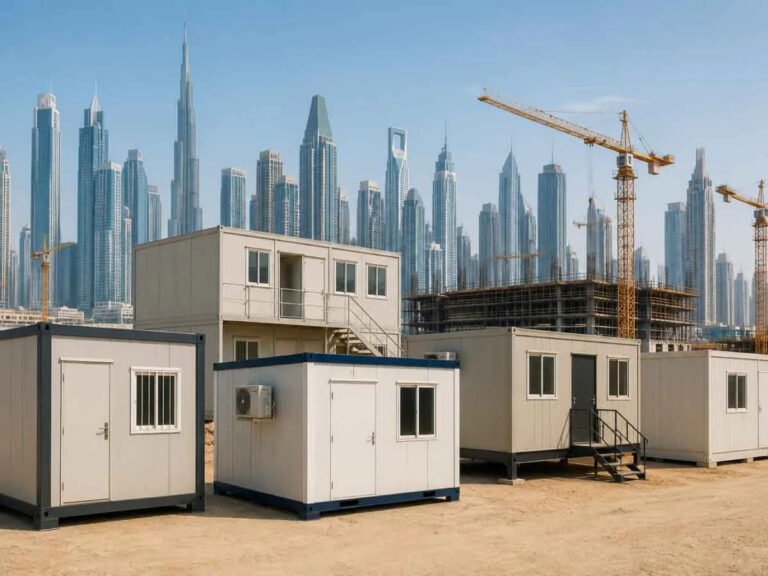
However, choosing a portacabin is not simply a matter of selecting the cheapest available unit. The cabin needs to suit its intended use, site conditions, climate, size requirements, safety expectations and applicable local approvals. Dubai’s regulations, for example, recognize temporary site offices as temporary construction works, while the Dubai Development Authority has specific processes for temporary construction permits and site-office allocation.
This guide explains the main factors businesses should consider when selecting a portacabin in the UAE.
Start With the Purpose of the Portacabin
The first question should be: what will the cabin actually be used for?
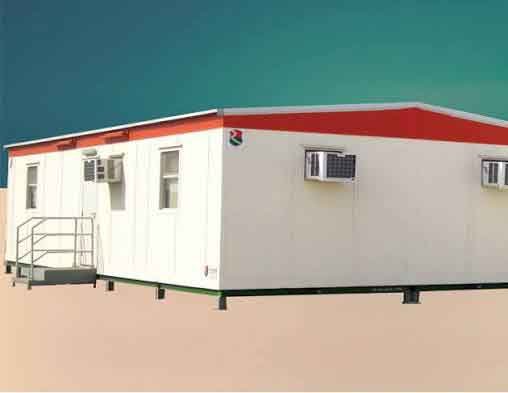
Portacabins can be configured for different applications, including site offices, security cabins, meeting rooms, accommodation, storage areas, changing rooms, reception spaces and staff facilities. A unit designed for a security guard, for example, does not have the same requirements as a multi-room site office or staff accommodation.
For an office, businesses should consider desk space, electrical outlets, lighting, air conditioning, windows, doors, data connections and room layout. If the cabin will be used for accommodation, additional attention needs to be given to ventilation, sanitary facilities, fire safety, occupancy and access.
Defining the purpose before contacting a supplier makes it easier to determine the appropriate dimensions, internal layout, insulation, electrical installation and other specifications.
Choose the Right Size and Layout
Size should be based on the number of people using the cabin and the activities taking place inside it.
A small single-room cabin may be sufficient for a security point or compact office. A larger unit may be more appropriate when the business needs several workstations, a manager’s room, a meeting area or storage space. Modular cabins can also be combined where additional floor space is required.
Businesses should avoid choosing a cabin based solely on its external dimensions. The usable internal area can be affected by partitions, electrical equipment, air-conditioning units, washrooms and other installations.
It is also important to consider future requirements. If the project is expected to expand, selecting a modular system that can accommodate additional units may be more practical than replacing the entire facility later.
Pay Close Attention to Insulation
The UAE’s climate makes thermal performance one of the most important considerations when purchasing or renting a portacabin.
A cabin exposed to intense summer heat can become uncomfortable and place additional demand on its air-conditioning system if the walls and roof are poorly insulated. Good insulation helps reduce heat transfer and can contribute to a more comfortable indoor environment.
When comparing cabins, ask the supplier about the wall and roof construction, insulation material and thickness, doors, windows and sealing. Do not evaluate insulation simply by looking at the external appearance of the cabin.
The cooling system should also be appropriate for the UAE climate and the cabin’s size and occupancy. A well-insulated cabin combined with appropriately sized air conditioning is generally more practical than relying on an oversized cooling system to compensate for inadequate insulation.
Check the Structure and Construction Quality
The structural quality of a portacabin directly affects its durability, safety and suitability for outdoor use.
Ask what material is used for the structural frame and whether the cabin has appropriate protection against corrosion. This is particularly important in the UAE, where high temperatures, dust, humidity and coastal conditions can place additional stress on external materials.
Check the quality of the wall and roof panels, flooring, doors, windows and joints. The cabin should also be suitable for transportation and installation without compromising its structural integrity.
Dubai’s building regulations require structural designs to meet applicable safety and durability requirements, with structural design prepared by appropriately qualified professionals where required.
Consider Electrical and HVAC Requirements
A portacabin used as a business facility needs more than four walls and a roof. Its electrical and cooling systems should match the intended use.
Before ordering, determine how many lights, sockets, computers, printers, air-conditioning units and other electrical appliances will operate inside the cabin. A site office with several employees will naturally have greater electrical requirements than a small security booth.
Ask the supplier to explain the electrical installation, distribution board, lighting, sockets, earthing and air-conditioning provisions. Where the cabin is being installed as part of a regulated construction or commercial project, electrical work may also need to comply with the relevant authority requirements.
Think About Fire Safety and Emergency Access
Fire safety should never be treated as an optional feature.
The cabin’s use, occupancy and location can affect the applicable fire and life-safety requirements. Consider emergency exits, doors, access routes, fire detection, extinguishing equipment and the spacing between units where multiple cabins are installed.
Abu Dhabi’s requirements for portable buildings, for example, state that portable buildings must be fit for purpose and comply with applicable fire and electrical safety requirements. The guidance also addresses safe access and egress and the provision of suitable bases for portable buildings.
The safest approach is to establish the requirements with the relevant authority or project consultant before installation, rather than modifying the cabin after it has arrived on site.
Check the Site Before Ordering
A good portacabin can still be unsuitable if the installation site has not been properly assessed.
Measure the available area and consider vehicle access, delivery routes, crane or lifting requirements, ground conditions, drainage, utilities and clearance around the cabin. The supplier should know whether the unit can physically reach the intended position and whether there is enough space for installation and future maintenance.
A stable, level base is also important. Requirements can vary according to the location and type of installation, but portable-building guidance in Abu Dhabi specifically refers to providing a level concrete base and preventing combustible waste from accumulating underneath the building.
Understand UAE Permit and Approval Requirements
One of the most important steps is checking whether your portacabin requires approval or a permit.
Businesses should not assume that a structure is exempt from regulation simply because it is described as “portable” or “temporary.” Dubai’s construction regulations explicitly include temporary site offices within temporary construction works, and Dubai authorities require permits for relevant temporary construction activities.
The requirements can differ according to the emirate, land type, project and intended use. Dubai Municipality maintains building permit and construction procedures, while the Dubai Development Authority provides specific services for temporary construction and site-office allocation in its jurisdiction.
Other emirates have their own procedures. For example, Ras Al Khaimah’s temporary building permit guidance states that temporary buildings on commercial plots are permitted for office use and that the permit is subject to specific limitations.
Before purchasing, confirm which authority has jurisdiction over the site and whether the supplier can assist with drawings, technical documents, NOCs or permit-related requirements.
New or Used Portacabin: Which Is Better?
Businesses can choose between new and used portacabins depending on their budget and operational requirements.
A new cabin offers greater flexibility because the layout, finishes, insulation, electrical system and other features can generally be specified according to the project. It can be a sensible option for businesses that need a long-term facility or a particular configuration.
A used portacabin can reduce the initial purchase cost, but its condition needs to be inspected carefully. Look for corrosion, water damage, damaged panels, flooring problems, worn doors and windows, electrical defects and signs of previous modifications.
The cheapest cabin is not necessarily the most economical choice. Repair, transportation, installation and modification costs can significantly change the final price.
Compare the Total Cost, Not Just the Purchase Price
When comparing suppliers, look beyond the advertised cabin price.
The total cost may include transportation, lifting or unloading, installation, foundations or base preparation, electrical connections, air conditioning, plumbing, internal partitions and authority-related documentation.
For example, a low-priced cabin that requires extensive refurbishment may ultimately cost more than a better-maintained unit supplied with the required fittings.
Ask suppliers to provide a clear quotation that separates the cabin price from delivery, installation and additional works. This makes it easier to compare different offers fairly.
Choose a Supplier With UAE Project Experience
The supplier you choose can be just as important as the cabin itself.
Look for a company that understands UAE site conditions and can explain the technical specifications of its cabins. Ask for details about construction materials, insulation, electrical systems, HVAC provisions, installation procedures and after-sales support.
It is also useful to ask whether the supplier has experience working on construction sites, industrial facilities or commercial projects similar to yours.
A reliable supplier should be willing to discuss the cabin’s intended application rather than simply offering a standard unit.
Inspect the Cabin Before Taking Delivery
If you are purchasing a used or refurbished portacabin, inspection is particularly important.
Check the roof for signs of leakage, examine the floor for weakness or water damage, inspect wall panels and joints, test doors and windows and look for corrosion around the frame. Electrical and air-conditioning systems should also be checked by appropriately qualified personnel.
For new cabins, review the agreed specifications against the delivered unit. Confirm the dimensions, layout, insulation, doors, windows, electrical fittings, air conditioning and other items included in the quotation.
Taking photographs and recording any defects before acceptance can also help prevent disputes later.
Think About Transportation and Installation
Portacabins are designed to be transported, but their size and location can make delivery more complicated than expected.
Before placing an order, confirm how the cabin will be transported and unloaded. The delivery vehicle needs suitable access, and lifting equipment may be required depending on the unit and site.
Restricted access, narrow roads, overhead services and limited working space can increase installation costs. Planning these issues in advance helps prevent delays once the cabin is ready for delivery.
Don’t Ignore Future Maintenance
A portacabin still requires regular maintenance even though it is a modular or temporary structure.
Air-conditioning systems should be maintained, electrical systems should be inspected when necessary, and damaged seals, doors, windows and panels should be repaired promptly. External surfaces should also be monitored for corrosion or weather-related deterioration.
A maintenance plan is especially important for cabins that will remain outdoors for several years or operate continuously as offices, accommodation or staff facilities.
A Practical Checklist Before Buying a Portacabin
Before making the final decision, businesses should confirm the following:
The intended use and number of occupants should be clearly defined. The required floor area and internal layout should match the business operation. Wall and roof insulation should be suitable for UAE conditions, while the air-conditioning capacity should match the cabin’s size and use.
The structural frame, panels, flooring, doors and windows should be inspected for quality and durability. Electrical requirements, lighting, sockets and HVAC provisions should be agreed in advance. Fire safety, emergency access and other applicable requirements should also be addressed.
Most importantly, confirm the relevant permit and approval requirements for the specific site. Dubai’s regulations, for example, require applicable construction works to be properly permitted, and authorities provide dedicated procedures for temporary construction and site-office allocation.
Final Thoughts
Choosing the right portacabin in the UAE requires more consideration than simply comparing sizes and prices. The best choice is one that fits the business’s intended use, provides adequate thermal comfort, has a suitable structure and electrical system, meets safety expectations and can legally be installed at the chosen location.
Businesses should assess the site, define their requirements, compare total costs and verify the applicable authority approvals before committing to a purchase. Whether the requirement is a temporary construction office, security cabin, staff facility, storage area or a larger modular workspace, careful planning can help ensure that the portacabin provides practical value throughout its service life.
Because approval requirements can vary between emirates and sites, businesses should confirm the current requirements with the relevant authority or qualified consultant before installation. Dubai Municipality and the Dubai Development Authority both publish current construction and permit procedures for projects within their respective jurisdictions.