Businesses across the UAE need reliable storage for construction materials, industrial equipment, electrical supplies, spare parts, and valuable tools. From busy logistics yards in Jebel Ali to construction projects in Abu Dhabi and industrial facilities in Sharjah, storage must withstand demanding outdoor conditions while keeping valuable assets protected.
Choosing used storage containers UAE businesses can rely on is a practical way to create additional storage space without investing in a permanent warehouse. However, not every second-hand shipping container is suitable for every site. Buyers need to consider steel condition, corrosion resistance, ventilation, heat management, door security, and the container's previous use.
A well-maintained used shipping container can provide durable, lockable storage for years when its condition matches the intended application and it receives appropriate maintenance.
This guide explains the technical considerations behind selecting used storage containers in the UAE, with particular attention to coastal corrosion, Shamal dust storms, extreme summer temperatures, and on-site theft prevention.
Why Used Storage Containers Are a Practical Choice for UAE Businesses
A used shipping container offers a ready-made steel enclosure that can be placed at a construction site, warehouse, factory, maintenance yard, or logistics facility. Compared with constructing a permanent storage building, it can reduce setup time and make it easier to relocate storage when project requirements change.
Rental Power's published container information describes used and refurbished 20ft and 40ft ISO containers, including wind- and watertight, cargo-worthy, and modified storage options. The appropriate choice depends on the container's inspected condition and how it will be used.
Common applications include:
Construction tools, power tools, and maintenance equipment.
Electrical components, spare parts, and copper cabling.
Plumbing supplies, fittings, and mechanical components.
Industrial consumables and non-hazardous materials.
Temporary inventory storage for warehouses and distribution operations.
Equipment storage at remote project sites and infrastructure developments.
The main advantage is versatility. Businesses can select a suitable size, improve ventilation, install stronger locking hardware, and organize the interior according to their operational needs.
Choosing a 20ft Shipping Container in Dubai
A 20ft shipping container Dubai businesses use for site storage is a practical option when space is limited but substantial storage capacity is required. It can accommodate many types of tools, spare parts, packaged materials, and maintenance supplies without occupying the footprint of a larger 40ft unit.
A standard 20ft container is approximately 20 feet long, 8 feet wide, and 8 feet 6 inches high externally. Actual internal dimensions vary by model, so buyers should confirm the manufacturer's specifications before planning shelves, racks, or equipment placement.
20ft standard container
Suitable for tools, electrical supplies, spare parts, and general construction-site storage. It is a useful starting point for projects with a limited available footprint.
40ft storage container
Better suited to bulkier inventory, larger quantities of materials, and sites that need a dedicated storage area for several work teams.
Modified secure storage container
Can be equipped with additional security hardware, screened ventilation, shelving, and suitable internal arrangements to meet specific site requirements.
When comparing sizes, consider not only the amount of stock but also the largest item you need to store, aisle space, access to frequently used equipment, and the space needed for delivery and placement.
A smaller unit may be sufficient for a maintenance team, while a major construction project may benefit from multiple containers organized by department or material category.
Corrugated Corten Steel and Coastal Corrosion Protection
The UAE's coastal industrial areas, including Jebel Ali, Hamriyah, and Khalifa Port, expose equipment and steel structures to humid air and airborne salt. These conditions make corrosion protection an important consideration when selecting a used storage container.
Shipping containers commonly use corrugated weathering steel, often associated with Corten-type steels. The corrugated profile helps provide panel stiffness, while the steel construction is designed for demanding transport and outdoor service. Weathering steel can develop a protective oxide layer under suitable exposure conditions, helping to slow further corrosion.
However, Corten steel is not immune to marine corrosion. Salt deposits and chloride exposure can interfere with the formation of a stable protective layer. Persistent moisture, damaged coatings, and water trapped around joints can also accelerate deterioration.
For containers stationed near Jebel Ali, Hamriyah, or Khalifa Port, buyers should pay particular attention to the following areas:
Lower side rails and underframes: These areas can accumulate moisture, salt, and debris.
Roof panels and roof edges: Look for coating damage, rust patches, pinholes, and signs of standing water.
Door bottoms and hinges: Salt deposits and worn paint can accelerate deterioration around moving components.
Corner castings and structural welds: Check for deep corrosion, cracks, distortion, or previous repairs.
Door seals and locking bars: Damaged components may allow moisture to enter and can affect secure closure.
How to improve corrosion resistance
Start with a container that has a sound structure and no significant rust-through. Surface rust may be repairable, but deep pitting, perforation, or deterioration around load-bearing components requires professional assessment.
Where additional protection is needed, remove loose rust and failed coating, prepare the surface correctly, and apply a suitable marine-grade protective coating according to its manufacturer's instructions. Inspect the finish periodically and repair damaged areas before corrosion spreads.
The container should also be positioned on stable supports with adequate drainage and sufficient clearance for inspection underneath. Avoid locations where water routinely collects around the base.
For coastal installations, regular inspections are especially important because a container that looks acceptable from the outside may still have corrosion developing underneath or around concealed joints.
Protecting Tools, Electronics, and Copper Cabling From Shamal Dust
Dust protection is another important consideration for used storage containers UAE businesses place in outdoor environments. Strong Shamal winds can carry dust and sand across exposed construction sites, industrial yards, and desert project locations.
Fine dust can enter through damaged door gaskets, roof pinholes, poorly sealed cable openings, and unsuitable ventilation arrangements. Once inside, dust can contaminate equipment, settle on electrical components, obstruct cooling passages, and increase cleaning and maintenance requirements.
Sensitive electronics, testing instruments, power tools, and copper cabling therefore need more than a steel enclosure. The container must also have effective seals and a suitable internal storage arrangement.
Inspect the container for dust entry points
Before storing valuable equipment, close the doors and inspect the perimeter seals. Look for cracked rubber gaskets, gaps between the door panels, damaged roof seams, and holes caused by corrosion or previous modifications.
An inspection from inside the closed container can help identify daylight passing through openings. However, a visual check alone cannot guarantee that a container is dust-tight.
For equipment that requires a particularly clean environment, use additional sealed cabinets, protective cases, or dust-resistant packaging inside the container.
Organize sensitive equipment correctly
Copper cabling should be stored on suitable reels or racks to avoid crushing, bending, and unnecessary handling. Keep cable ends capped or otherwise protected from contamination. Electrical tools and electronic instruments should be stored in closed cabinets rather than left on open shelves.
Use labeled storage bins for connectors, fasteners, terminals, and small electrical components. This keeps parts organized and reduces the time doors remain open during busy work periods.
A container that stores electronics or precision instruments may also require moisture control. Dust is not the only concern: temperature changes can cause condensation, particularly when warm, humid air meets cooler internal surfaces.
For this reason, ventilation, sealing, and humidity control should be designed together rather than treated as separate upgrades.
Ventilation without inviting more dust
Ventilation can help remove accumulated heat, but an unprotected opening may allow airborne sand and dust to enter. Use appropriately designed, weather-resistant ventilation components with suitable dust screens or filters where required.
Filters need regular cleaning or replacement, particularly during dusty periods. If the stored equipment is highly sensitive, consider a filtered ventilation system or a dedicated conditioned enclosure rather than relying on passive vents alone.
The right arrangement depends on whether the container holds general tools, electrical supplies, or equipment with stricter environmental requirements.
Reducing Interior Heat With Turbine Roof Vents and Reflective Paint
Summer heat is one of the most important challenges when using a steel container for outdoor storage in the UAE. A container exposed to direct sunlight can become substantially hotter than the surrounding air, potentially damaging heat-sensitive materials and making stored equipment uncomfortable to handle.
Research and field guidance on temporary container storage recommend measures such as shade, ventilation, and solar-reflective coatings to reduce excessive heat build-up.
Two practical improvements are passive turbine roof vents and solar-reflective white marine paint.
1. Passive turbine roof vents
A passive turbine ventilator uses wind to rotate its turbine head, helping draw warm air out of the container without requiring a powered exhaust fan. When combined with appropriately positioned low-level air inlets, it can support continuous air movement.
This can be useful for a secure tool storage container holding general maintenance equipment, construction supplies, and materials that do not require a tightly controlled temperature.
For effective ventilation, consider:
Installing the roof vent according to the manufacturer's structural and weatherproofing requirements.
Providing suitable low-level air inlets so replacement air can enter.
Using weather-resistant, dust-screened components appropriate for the site's conditions.
Inspecting roof penetrations and seals regularly to prevent rainwater entry.
Cleaning screens and checking that the turbine rotates freely.
A passive turbine does not guarantee a specific internal temperature. Its performance depends on wind conditions, inlet placement, the container's heat load, and the temperature difference between inside and outside.
It also cannot replace mechanical cooling when the contents require controlled temperatures.
2. Solar-reflective white marine paint
Dark exterior surfaces absorb more solar energy than highly reflective surfaces under otherwise similar conditions. Applying a suitable white or solar-reflective coating to the roof and exterior can therefore reduce the amount of solar heat absorbed by the container.
For used containers, coating selection should consider the existing paint system, surface preparation requirements, exposure to salt and moisture, and the manufacturer's suitability recommendations.
White marine-grade paint can be particularly useful for containers placed in open yards with little natural shade. The roof deserves special attention because it receives direct sunlight for much of the day.
Before repainting, repair corrosion and prepare the surface properly. Simply applying new paint over loose rust or a failing coating will not provide reliable long-term protection.
3. When additional cooling is necessary
Ventilation and reflective paint are passive heat-management measures, not air-conditioning systems. If the container stores sensitive electronics, temperature-controlled materials, or expensive equipment with strict operating limits, measure the internal temperature during the hottest part of the day.
If temperatures exceed the equipment manufacturer's recommended storage range, consider insulated internal cabinets, additional shading, or appropriately sized mechanical cooling.
Heavy-Duty Lockboxes and Tamper-Resistant Padlocks
Protecting stored equipment from theft is just as important as protecting it from weather. Construction sites and industrial facilities may contain expensive power tools, copper cabling, electrical components, and specialist instruments that are attractive targets for opportunistic theft.
A steel container provides a strong starting point, but its security depends on the condition of the doors, locking bars, hinges, and padlock arrangement.
Security guidance for shipping containers recommends fitting a protective lockbox and a suitable high-security padlock rather than leaving the padlock exposed. A lockbox shields the padlock from direct access, making certain cutting and tampering attempts more difficult.
What makes a container locking system more secure?
Heavy-duty lockbox: A steel enclosure around the locking point reduces direct access to the padlock and its shackle. Confirm that the lockbox is securely fitted and compatible with the selected padlock.
Tamper-resistant padlock shroud: A protective shroud reduces exposed areas that thieves might otherwise target with cutting tools. It should fit the locking hardware correctly rather than obstructing the door mechanism.
High-security padlock: Choose a quality padlock with suitable resistance to cutting, picking, and physical attack. A closed-shackle design can reduce the exposed metal available for cutting.
Functional door locking bars: Check that the vertical locking bars engage correctly and that their handles, cams, and hinges are not bent or damaged.
Site-level security: Position the container within a monitored or access-controlled area when possible. Adequate lighting, CCTV, inventory records, and controlled key access provide additional layers of protection.
No single lock can eliminate theft completely. The objective is to make unauthorized entry more difficult, improve the chance of detecting tampering, and reduce opportunities for theft.
For sites storing high-value copper cabling or specialist electrical equipment, the security specification should reflect the actual replacement cost and the consequences of a loss.
What Does Cargo Worthy Container UAE Mean?
When comparing a cargo worthy container UAE supplier offers, it is important to distinguish between a container suitable for static storage and one intended for international cargo transport.
These terms describe different levels of suitability.
Container condition | Typical application | Important consideration |
|---|---|---|
Wind and watertight | General outdoor storage | Must be inspected for leaks, door seals, and structural condition. |
Cargo worthy | Cargo transport, subject to applicable requirements | Confirm current safety approval, inspection status, and carrier acceptance. |
Refurbished | Storage or other specified applications | Review the repairs and verify that the finished condition meets your needs. |
As-is | Low-priority storage or refurbishment projects | Defects and future repair costs may be substantial. |
The terms used by individual sellers can vary, so request a written condition description and supporting documentation. A container described as wind- and watertight is not automatically approved for international sea transport.
For sea transport, check the applicable requirements under the International Convention for Safe Containers (CSC), including the container's safety approval plate and inspection or examination status. Confirm any additional requirements with the intended carrier.
For static site storage, a sound wind- and watertight container may be adequate, provided it is suitable for the intended contents and location. A cargo-worthy designation alone does not guarantee that the interior is clean, dust-free, or suitable for sensitive electronics.
How to Inspect a Used Storage Container Before Buying
A thorough inspection helps prevent unexpected repair costs after delivery. Before purchasing, ask the supplier to confirm the condition of the specific unit rather than relying solely on its age, photographs, or advertised grade.
Pre-purchase inspection checklist
Tick each item as you inspect it.
0/10
This checklist is especially useful when buying containers for coastal industrial sites, dusty outdoor projects, and facilities that store high-value equipment.
If you cannot inspect the container in person, request clear, recent photographs or a video showing the roof, interior, floor, door seals, corner castings, and any repaired areas.
Where to Use Secure Storage Containers Across the UAE
The right container configuration depends on the site's location, stored materials, and operating conditions.
Dubai and Jebel Ali: Logistics yards, construction sites, maintenance contractors, and industrial facilities can use secure containers to store tools, electrical supplies, and spare parts close to their point of use. Coastal exposure makes regular corrosion checks important.
Sharjah and Hamriyah: Industrial workshops, fabrication facilities, and maintenance teams may benefit from weather-resistant storage with well-maintained door seals and suitable dust protection.
Abu Dhabi and Khalifa Port: Infrastructure projects, industrial yards, and logistics operations can use storage containers for equipment and materials, with protective coatings and routine inspections selected according to the site's exposure.
Remote and desert project sites: Dust-resistant storage, reliable locking systems, suitable ventilation, and planned maintenance become particularly important where equipment is exposed to windblown sand and direct sunlight.
In all these locations, consider the actual site conditions rather than assuming that every used container will perform identically. A container near the coast may need more attention to salt-related corrosion, while one in an exposed inland yard may require greater emphasis on dust control and solar heat reduction.
Used Storage Containers vs. Prefab Site Cabins
A storage container and a prefabricated site cabin serve different purposes. Choosing the right structure from the beginning can avoid unnecessary conversion costs.
Requirement | Used storage container | Prefabricated site cabin |
|---|---|---|
General tools and materials | Well suited | Possible, depending on design |
Lockable outdoor storage | Well suited with suitable security hardware | Depends on the cabin's doors and construction |
Regular office work | Requires appropriate conversion | Usually more suitable |
Thermal comfort for occupants | Requires substantial modification | Can be specified with insulation and cooling |
Portable site infrastructure | Suitable for storage applications | Suitable for offices and other designed facilities |
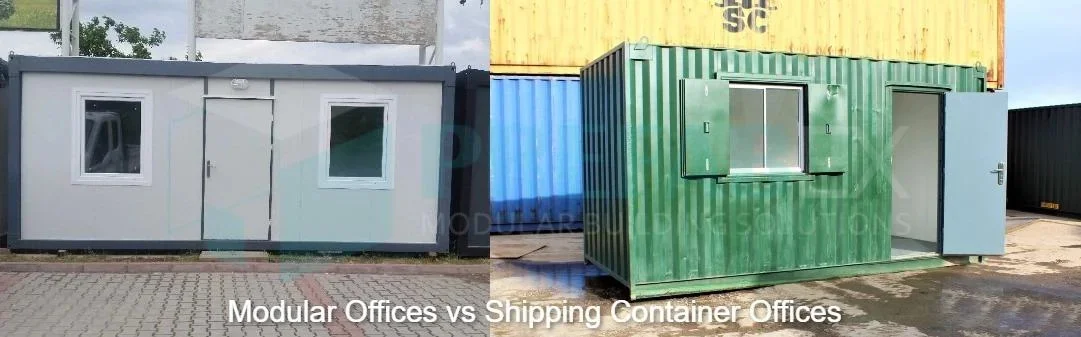
If your priority is secure equipment storage, a suitable used container is often the more direct solution. If your team needs a workspace, meeting room, or air-conditioned site office, consider purpose-built prefab site cabins.
The intended use should determine the specification. An unmodified shipping container is not automatically suitable for occupation or for storing materials that require controlled environmental conditions.
How to Choose a Reliable Used Container Supplier in the UAE
Price matters, but the condition of the unit, delivery arrangements, and suitability for the intended application are equally important.
Before placing an order, ask the supplier to clarify:
The exact dimensions and condition of the available unit.
Whether the container has been inspected for structural damage and water ingress.
Whether door seals, locking bars, and hinges are functional.
Whether additional ventilation, reflective coatings, or security upgrades are available.
Whether the container is intended for static storage or approved cargo transport.
The delivery method, placement requirements, and any additional charges.
A supplier that can explain the condition and limitations of the offered unit makes it easier to compare like-for-like options. For containers intended to protect expensive tools or electronics, confirm the proposed dust and heat management measures before finalizing the purchase.
Rental Power publishes information about its used and refurbished containers, including 20ft and 40ft options, inspection, and delivery support across the UAE. Businesses can review its used shipping containers in UAE to discuss available options for their site requirements.
Frequently Asked Questions
Are used storage containers suitable for the UAE climate?
Yes, provided the container is structurally sound and maintained appropriately. Inspect corrosion, roof condition, door seals, and the floor. For demanding sites, consider reflective coatings, suitable ventilation, dust protection, and additional security hardware.
Is a 20ft shipping container suitable for storing expensive tools?
A 20ft unit can provide practical storage for tools, spare parts, and electrical supplies. Choose a container with sound doors and seals, then consider a heavy-duty lockbox, a suitable high-security padlock, internal cabinets, and site-level security measures.
How can I reduce heat inside a steel storage container?
Solar-reflective white paint, shade, and properly designed passive ventilation can help reduce heat build-up. If stored equipment has strict temperature requirements, monitor internal conditions and consider insulation or mechanical cooling as necessary.
Does a turbine roof vent keep dust out?
No. A turbine vent helps remove warm air, but it does not automatically prevent dust entry. Use suitable screened ventilation components, maintain door seals, and consider filtered ventilation or sealed cabinets for sensitive equipment.
What is the difference between cargo-worthy and wind- and watertight?
Wind- and watertight describes a container's ability to keep ordinary weather out when its enclosure is sound. Cargo-worthy generally indicates suitability for cargo transport under applicable inspection and safety requirements. Always verify the documentation and intended use.
How can I protect a container near Jebel Ali or Khalifa Port from corrosion?
Inspect the roof, lower rails, hinges, welds, and underframe regularly. Remove salt deposits and repair damaged coatings using a suitable protective system. Address deep corrosion promptly and ensure that water does not collect around the container's base.
Can a used container be converted into an equipment store?
Yes. Depending on the container's condition and intended use, modifications may include shelving, internal cabinets, additional locking hardware, ventilation, and reflective coatings. Structural changes and roof penetrations should be carried out properly to preserve strength and weather resistance.
Conclusion: Choose Used Storage Containers That Match Your Site Requirements
Investing in used storage containers UAE businesses can rely on starts with selecting the right unit for the conditions in which it will operate. Coastal corrosion, Shamal dust, high summer temperatures, and theft risks all influence the specification required for dependable outdoor storage.
A sound 20ft or 40ft container, combined with appropriate corrosion maintenance, dust protection, ventilation, and secure locking hardware, can provide a practical storage solution for construction, industrial, and logistics operations.
Before buying, inspect the actual unit, verify its condition and documentation, and confirm whether it is intended for static storage or cargo transport. These checks help ensure that the container you choose meets your operational requirements rather than simply offering the lowest initial price.
To explore available options, visit Rental Power's used shipping containers in UAE. If you require an office or another enclosed workspace rather than basic equipment storage, review its prefab site cabins as well.